Due Diligence
There are many reasons for investigating and evaluating an entity and their assets. Whether it’s a reasonable effort to prevent undue risks such as background checks or a regulatory compliance requirement such as Know-Your-Customer (KYC), there should be clear outcomes and actions. Then why is the general consensus that it feels like a checkbox with limited to no value?
Background Checks
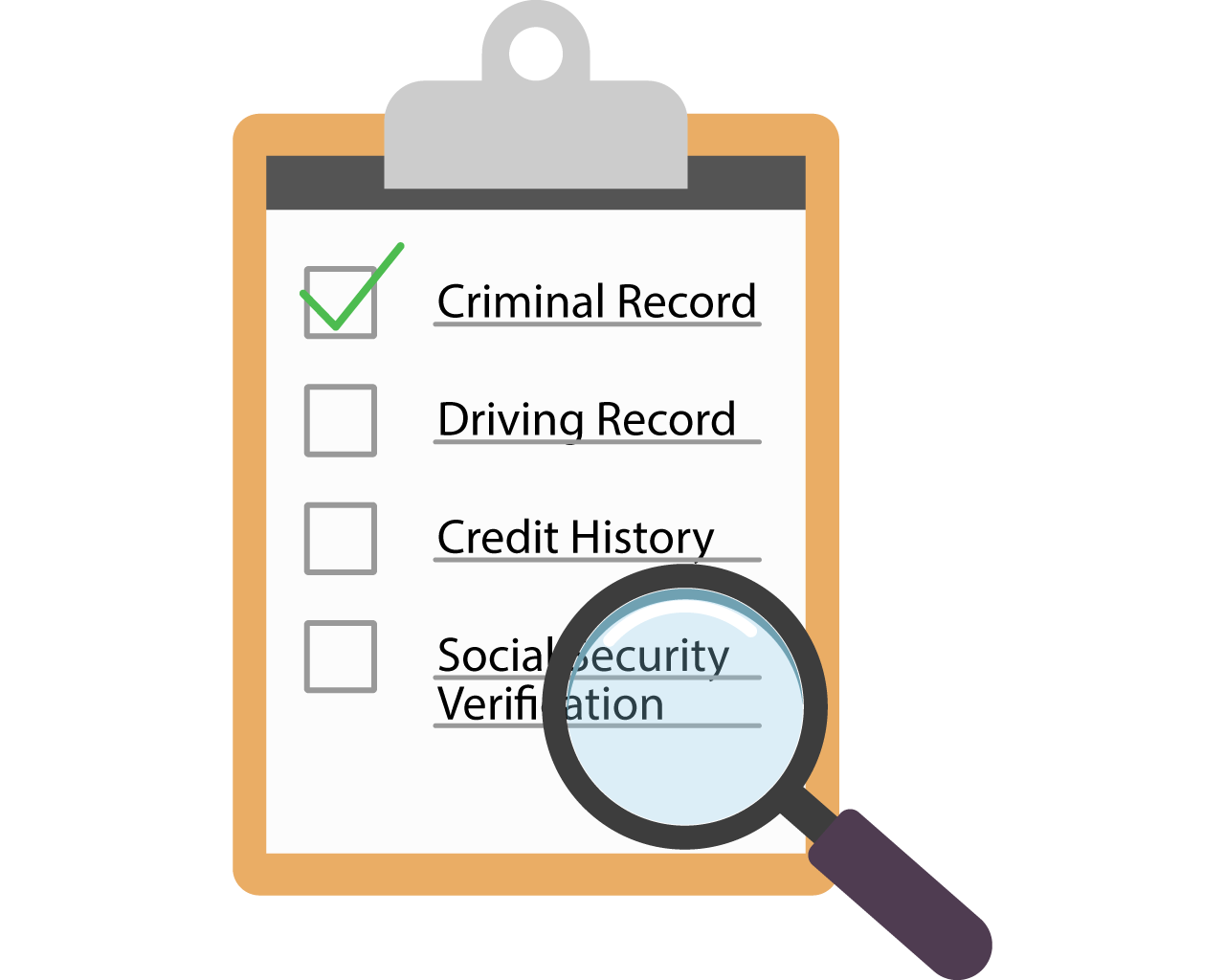
With Prae, you can quickly lookup a candidate and see both their exposure and risks. No need to request personal information as the process is opaque to the candidate. With Prae, you can even pre-screen a candidate before a traditional background check and continuously monitor during their probationary window.
Mergers & Acquisitions
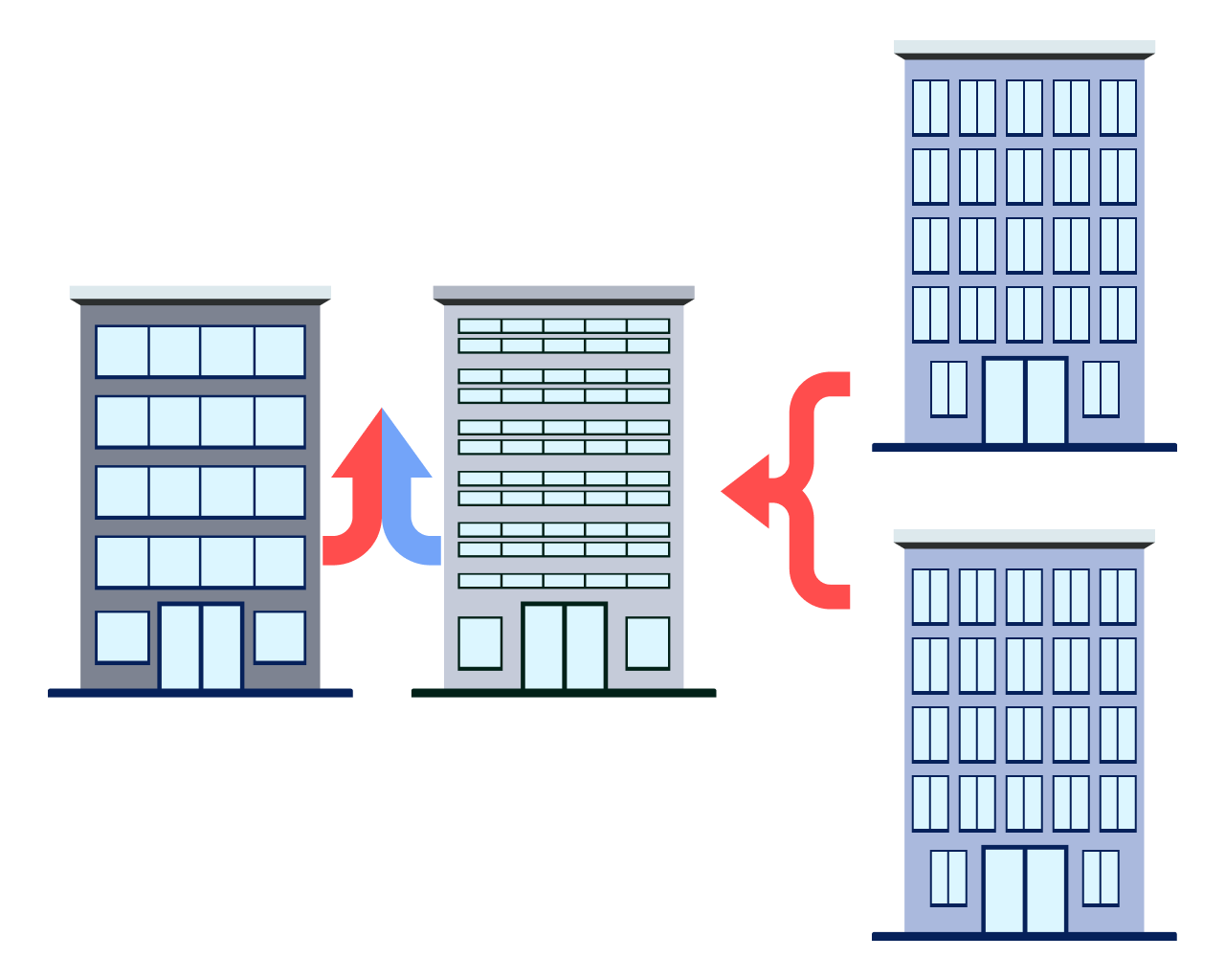
With Prae, you can quickly lookup the executives and employees of the acquired company to see their exposure and risks. Identify potential landmines and avoid reputational damage and/or a poor fit of people and culture. With Prae, you can get a head start on monitoring risky employees.
Know-Your-Customer
With Prae, you can quickly verify the identity of a customer. Confirm their digital identity matches the information you’re required to collect under the USA Patriot Act. See their exposure and risks. If and only there is risk, with Prae, you get both enhanced due diligence and continuous monitoring.

Background Check Concerns
A 2025 Benchmark Report cited non-compliance with regulations, costs of bad hire, financial loss thru criminal activities, brand reputation, and workplace safety & security as the top concerns amongst organizations across North America (U.S. & Canada), EMEA (Europe, Middle East, & Africa), and APAC (Asia-Pacific).
M&A Vetting Concerns
Non-compliance with regulations, loss of shareholders interest and/or valuations, brand reputation, and both people and cultural integration are cited as the top concerns amongst organizations across North America, EMEA, and APAC.
KYC Concerns
Non-compliance with regulations, financial loss thru criminal activities, and brand reputation are cited as the top concerns amongst financial institutions.
Common Challenges
Inaccurate & Imprecise
More than three-quarters of businesses have found candidate discrepancies during the screening process in the last 12 months. Identity mix-up, incomplete and/or outdated records, and jurisdictional limitations impact the accuracy and precision of screening candidates.
No Summary
An organization’s ability to sift through and filter the volume of information, noise, and false positives varies wildly. Background check companies neither summarize nor highlight red flags.
Untimely & Static
The turnaround time for a singular check is highly dependent upon the type of checks performed. Factors such as missing information, extensive work/living history, unresponsive references, and manual court searches further delay the turnaround. There is NO continuous monitoring.
Subpar Candidate Experience
Awkward candidate interaction and experience when organizations that are not required to, proactively pursue a background check. Upon request, candidates must disclose information to perform the background check.
Due diligence questions, answered
What is third-party due diligence?
Third-party due diligence is the process of vetting the people and entities you are about to be exposed to: suppliers, vendors, partners, distributors, and customers. Prae focuses on the humans behind those entities, because the risk that damages a deal is usually a person rather than a document.
What is the difference between KYC and due diligence?
Know-Your-Customer (KYC) is the regulated subset aimed at verifying who your customer is and screening them for financial-crime risk. Due diligence is broader: it also covers suppliers, partners, and acquisition targets, and it weighs reputational, safety, and behavioral risk alongside identity.
How does Prae support M&A vetting?
Before you sign, Prae resolves the identities of founders, executives, and key personnel at the target and grades their public exposure and risk. That gives corporate development, legal, and investment teams a human-risk view of the target alongside the financial and legal diligence.
Is due diligence a one-time check?
It should not be. A point-in-time report is stale the day after it is delivered. Prae grades exposure continuously, so a supplier, partner, or portfolio company that becomes risky after onboarding shows up as a change in rating rather than a surprise.
How accurate is the identity matching?
Prae resolves identities with high confidence using entity resolution across structured, unstructured, and semi-structured public data, then applies risk models on top. The goal is precision: real red flags on the right person, not a long list of possible matches.
Which teams typically use Prae for due diligence?
Procurement and vendor risk, legal and compliance, corporate development and M&A, and investors running diligence on founders and management teams. Related reading: When Visibility Intersects Violence.